
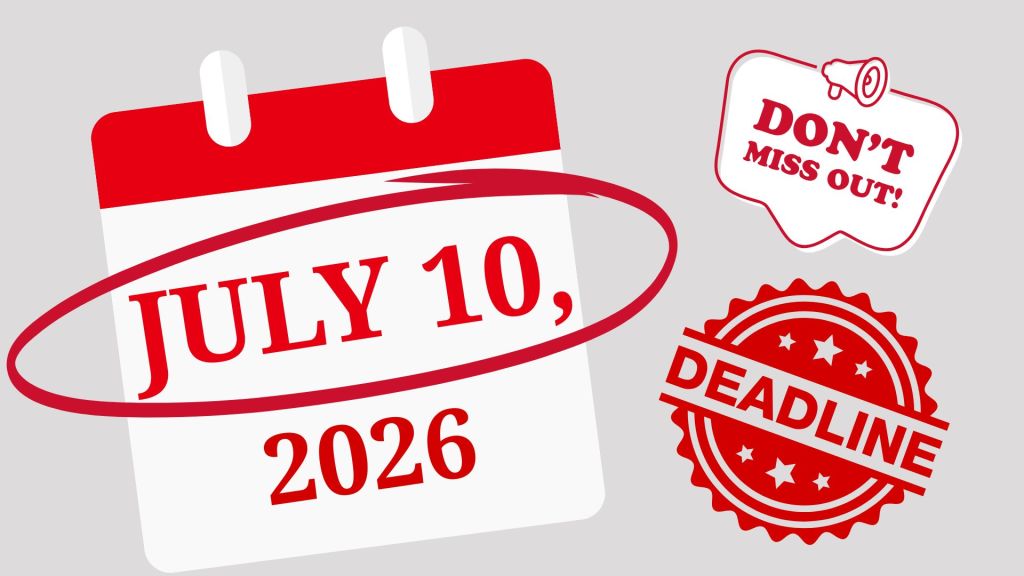
A recent decision from the U.S. Court of Federal Claims, Kwong v. United States, may give some taxpayers a path to recover IRS penalties and interest charged during the COVID-19 disaster period. The opportunity is real but not guaranteed, the government has appealed, and the deadline to preserve a claim is July 10, 2026.
Background: what the court decided
During the COVID-19 pandemic, the federal government declared a nationwide emergency that began January 20, 2020 and remained in effect through May 11, 2023. Under the Internal Revenue Code, a federally declared disaster can postpone certain tax filing and payment deadlines — and a 2019 amendment clarified that the postponement applies for the full length of the disaster period, plus 60 days.
During the pandemic, the IRS applied only narrower, notice-based relief — most notably moving the April 15, 2020 deadline to July 15, 2020. In Kwong, the court held that the relief period was in fact much broader, running from January 20, 2020 through July 10, 2023 (60 days after the emergency ended). The court emphasized that the scope of relief is set by statute, not by IRS administrative guidance.
The practical effect: returns and payments normally due during that window were effectively deferred to July 10, 2023. Penalties and interest the IRS charged for items treated as “late” during the period may not have been properly imposed — and affected taxpayers may have grounds to seek a refund or abatement.
A potential opportunity — with important caveats
It is worth being precise about what this means. The decision is favorable to taxpayers, but it is a trial-level ruling, and the government filed a Notice of Appeal on May 15, 2026. Related cases remain in litigation, and the IRS is expected to resist broad application. No refund is automatic, and whether any individual qualifies depends on the specific facts of their account.
Because the appeal is unlikely to be resolved before the filing deadline, the practical step available now is to file a protective claim. A protective claim, filed on IRS Form 843, preserves a taxpayer’s right to a refund while the litigation runs its course. If the courts ultimately rule in taxpayers’ favor, a timely protective claim keeps the door open; without one, the opportunity is generally lost once the deadline passes.
Who may be affected
Any taxpayer — individual, business, estate, or trust — that paid or was assessed certain penalties or interest tied to deadlines between January 20, 2020 and July 10, 2023 may wish to have their account reviewed. The most common categories include:
- Failure-to-file penalties
- Failure-to-pay penalties
- Failure-to-deposit penalties
- Estimated tax penalties
- Related interest charges
Taxpayers who have already paid these amounts in full may still be able to request a refund; those with balances still outstanding may be able to request abatement. The National Taxpayer Advocate has described this as a refund opportunity potentially affecting tens of millions of taxpayers, and has urged the IRS to extend the deadline and allow electronic filing — steps the IRS has not adopted as of this writing.
Key dates at a glance
| Date | What it means | ||
|---|---|---|---|
| | |||
Next Steps
If you made tax payments or were assessed penalties during the COVID-19 period, now is the time to act.
The Kwong decision may open the door to recovering penalties and interest you’ve already paid — but the window to act is closing. Whether you’re eligible for a refund or abatement depends on the specific facts of your situation, including when payments were made and returns were filed. Under Section 6511, claims generally must be filed within two years of payment or three years from the return filing date, whichever is later — and for many taxpayers, those deadlines are already expiring.
While litigation interpreting Section 7508A continues, we strongly recommend filing a protective claim now to preserve your rights and keep the refund statute of limitations open.
This isn’t a one-size-fits-all analysis. Identifying impacted payments, evaluating the applicable legal positions, and preparing a properly developed claim takes time. The earlier you engage with us, the better positioned you’ll be to protect your interests and meet the statutory deadlines.
Reach out to your KSDT advisor today to determine whether you have exposure and what steps make sense for your situation.
This communication is for informational purposes only and does not constitute legal or tax advice. The Kwong v. United States ruling is currently under appeal by the IRS, and no refund or abatement is guaranteed. However, filing a protective claim using Form 843 before July 10, 2026 preserves your legal right to a refund should the ruling be upheld. After July 10, 2026, the statute of limitations closes permanently and no claim can be filed regardless of the appeal’s outcome. KSDT Accountants & Advisors encourages all potentially eligible clients to act before the deadline.